
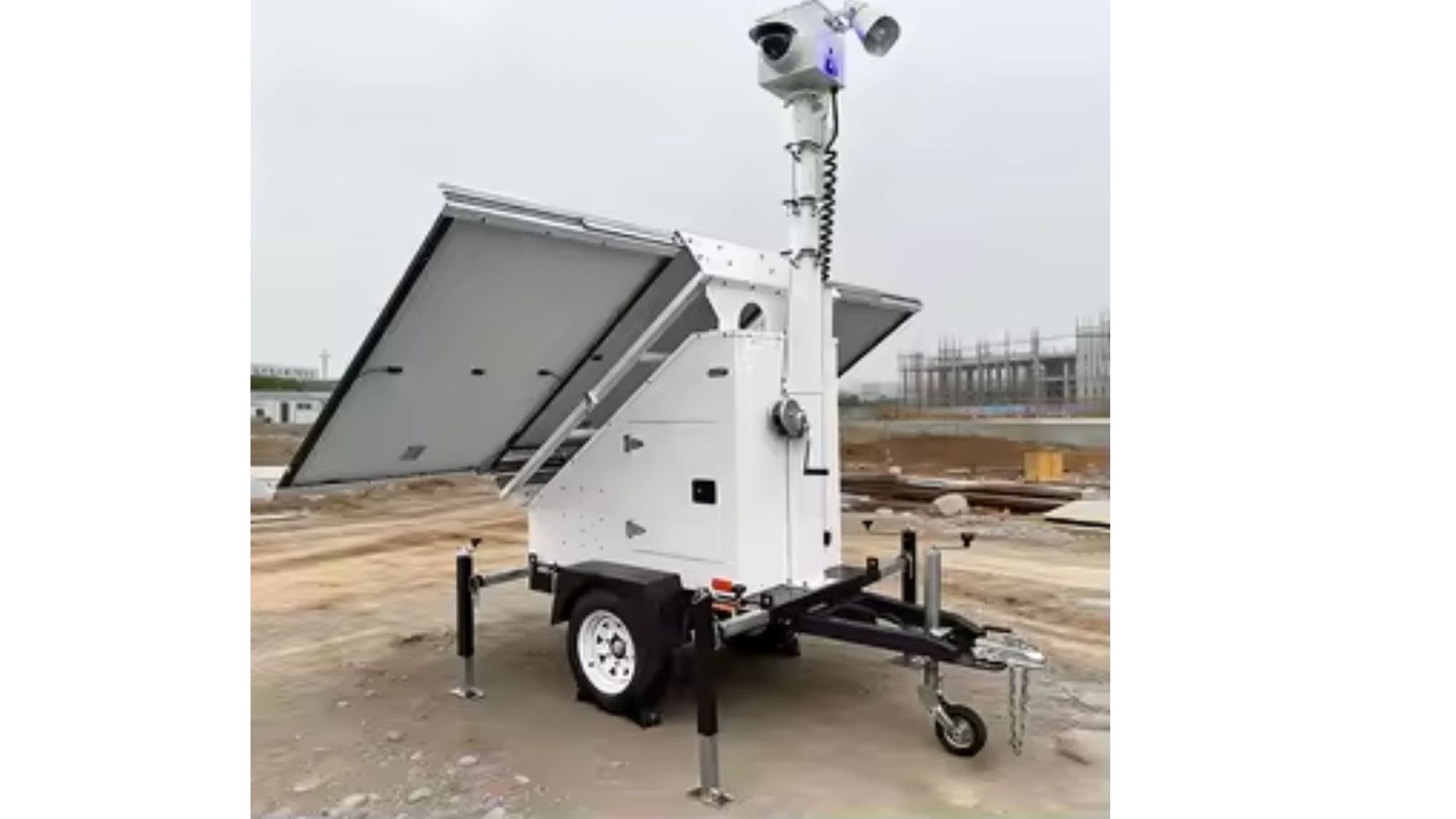
Remote properties can be tough to protect. They may sit far from busy roads, towns, and nearby staff. They may also have no easy access to power or wired internet. Yet, these sites can hold costly tools, vehicles, machines, fuel, and other assets. An off grid surveillance trailer can help bring useful security to these hard-to-reach places.
Start With a Good Site Check
Before adding cameras, property owners should study the whole site. They should look at gates, driveways, storage areas, buildings, parking spots, and equipment zones. They should also note places where someone could enter without being seen. This simple check can reveal weak points that may otherwise slip through the cracks.
Next, teams should look at the land itself. Trees, hills, fences, and large machines can block camera views. So, the best spot for a camera is not always the closest spot to the main gate. A careful site check helps create wider views and fewer blind spots.
Take Security Where Power Cannot Go
Power can be a major headache on a remote property. Running cables across a large area may cost a lot and take time. It may also damage the land or create more work when the site changes. For a temporary property, a fixed power setup may not be worth the trouble.
An off grid surveillance trailer can help solve this problem. It can support surveillance in places where normal power lines are not nearby. This makes it useful for remote yards, work areas, storage sites, and other open properties. As a result, owners can add security without building a full power network.
Make Solar Power Work for You
Solar power can make remote surveillance even more useful. A solar setup can help power cameras and other equipment without depending on a nearby utility connection. That can be a real game changer for sites far from the grid.
Still, good planning matters. The trailer needs a spot where its solar panels can get enough sunlight. Teams should also think about shade, weather, and seasonal changes. With the right setup, solar power can support steady monitoring while keeping the system simple and mobile.
Put Cameras Where They Matter
Camera placement can make or break a security plan. A camera pointed at the wrong angle may record plenty of video but miss the activity that matters. Therefore, teams should focus on key entry points and areas that hold valuable items.
Gates, roads, equipment zones, and storage areas often deserve extra attention. Cameras should also provide a clear view without trees or other objects getting in the way. It is better to have a few useful views than a pile of cameras that leave key areas uncovered.
Monitor the Property From Anywhere
A remote site does not have to mean remote information. With the right system, authorized users can check camera views from another location. This can save long drives and help managers stay aware of activity throughout the day.
Alerts can make monitoring even more useful. When the system detects movement, it can notify the right person for review. Not every alert means trouble, of course. Animals, weather, and approved workers can trigger alerts too. Still, quick notice gives teams a chance to check what is happening.
Cover More Ground With Less Hassle
Large remote properties can cover many acres. Installing fixed cameras across every corner can quickly become expensive. It can also create a maintenance mess, especially when the land is rough or difficult to reach.
A mobile surveillance trailer offers a more flexible option. Owners can place it where risk is highest and move it when needs change. For example, an equipment area may need extra coverage during one phase of a project. Later, the trailer can move closer to a new work zone or storage area.
Protect More Than Valuable Assets
Security cameras do more than protect machines and tools. They can also help teams watch workers, vehicles, buildings, gates, and visitors. This wider view can help managers understand what is happening across the property.
Video can also help after an accident or dispute. Clear footage may show what happened and when it happened. As a result, surveillance can support better site awareness, not just theft prevention. It becomes another useful tool for day-to-day property management.
Keep the System in Good Shape
A surveillance system needs regular care. Dust can cover camera lenses. Strong winds can shift equipment. Plants can grow into the camera view. Power levels and connections can also change over time.
Regular checks can help avoid these problems. Teams should clean lenses, review camera angles, test alerts, and check power levels. They should also make sure remote viewing and video storage still work as expected. A few simple checks can prevent a nasty surprise when footage is needed.
Stay Ready for Site Changes
Remote properties often change over time. New buildings may appear. Equipment may move. Storage areas may shift. Seasonal work may also change which parts of the property need the most attention.
This is another reason mobile surveillance can be useful. An off grid surveillance trailer can move with the site's changing needs. Owners do not have to rebuild the entire security setup every time the property layout changes. That flexibility can save time, money, and plenty of headaches.
Conclusion
Remote properties need security that can handle distance, limited power, wide spaces, and changing risks. A mobile surveillance setup can help owners keep a closer eye on valuable areas without building a costly fixed system. Smart camera placement, solar power, remote access, night vision, and regular checks can all improve protection.
For large outdoor sites, an outdoor wireless video security camera can provide another useful layer of coverage. When owners match the right tools with a clear security plan, even hard-to-reach properties can become easier to watch and manage. Most importantly, better visibility can help teams spot problems sooner and protect what matters.